What Is POD Fulfillment?
I use pod fulfillment to turn a design into a finished product only after a customer places an order. In simple terms, print on demand fulfillment means I do not print bulk inventory upfront. That is the biggest difference from traditional printing, where products are made first and sold later.
Core Features
- No minimum order quantities: I can sell one item or one thousand without overstock risk.
- White-label shipping: Orders go out under my brand, not the supplier’s.
- Made-to-order model: Each product is created only when it is sold.
Common Product Categories
- Apparel: T-shirts, hoodies, sweatshirts
- Accessories: Tote bags, hats, phone cases
- Home decor: Posters, pillows, blankets, mugs
Customer Journey
- I upload a design.
- The product is listed in my store.
- A customer places an order.
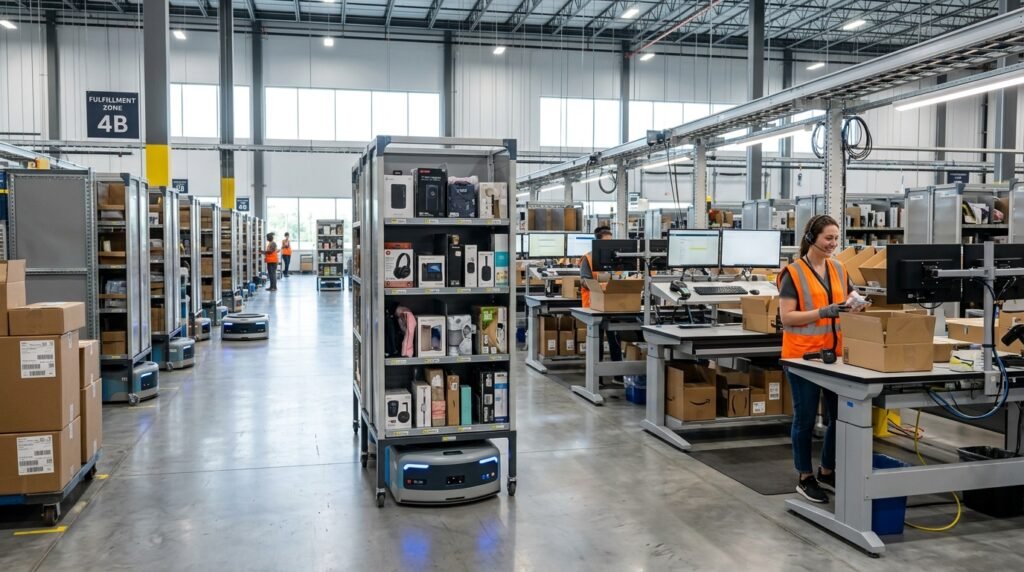
- The POD fulfillment services partner prints, packs, and ships it.
- The customer receives tracking and delivery at their doorstep.
This custom product fulfillment model keeps my business lean, flexible, and ready to scale across global markets.
How Pod Fulfillment Works
I keep the pod fulfillment process simple: I start with a design, generate mockups, and list the product on my store. Once a customer places an order, POD order automation sends it straight to the fulfillment partner, so I do not handle stock or manual routing.
Step-by-Step Flow
- Design creation and mockups
I build the artwork and create clean product mockups that fit the market. - Store listing
I publish the item on my e-commerce store with clear pricing, size, and color options. - Order sync
The order syncs automatically to the provider through POD integration Shopify or another platform connection. - Production
The item is printed using the best method for the product, such as DTG printing fulfillment, DTF, or sublimation. - Quality check and branding
The team checks print quality, packs the item, and uses white label POD packaging where available. - Shipping and tracking
The order ships with tracking, giving customers a clear delivery update from start to finish.
This on demand printing process keeps operations lean, speeds up custom product fulfillment, and lets me focus on sales instead of warehouse work.
Pod Fulfillment Benefits
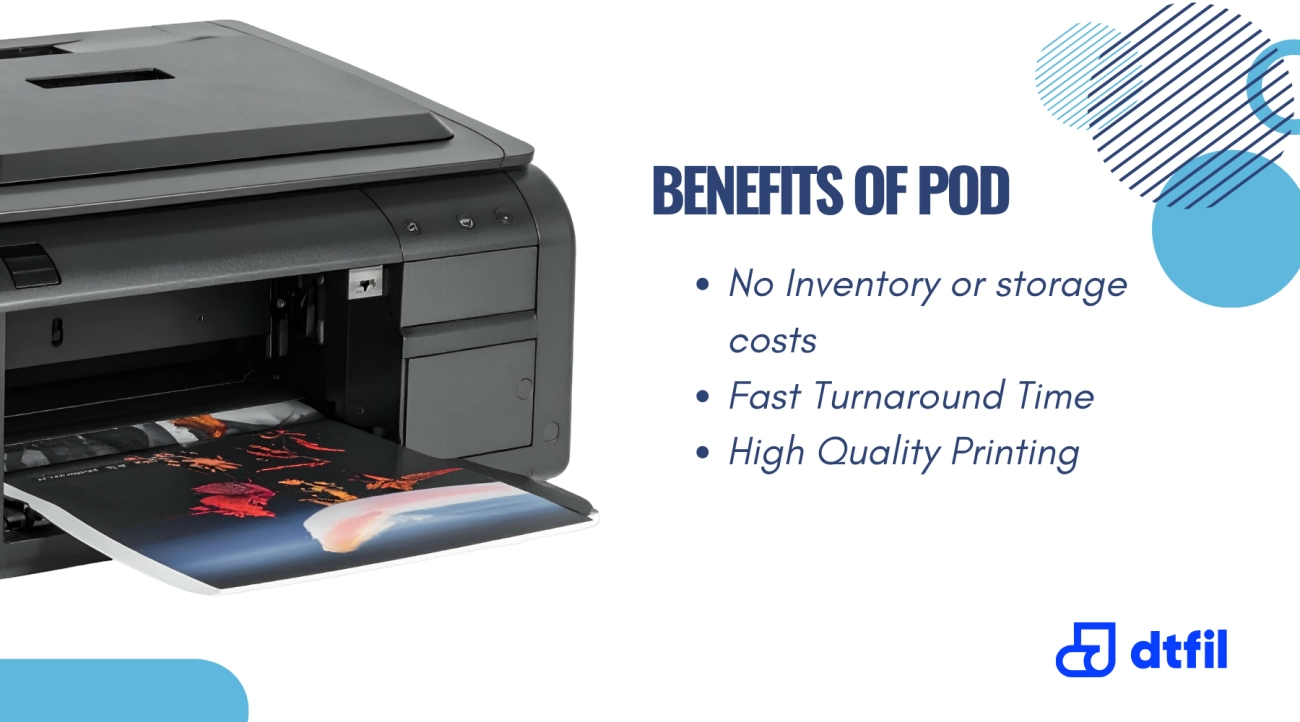
I use pod fulfillment because it keeps my business lean and flexible. With print on demand fulfillment, I do not need to buy stock upfront, so I avoid dead inventory and keep startup costs low.
| Benefit | Why it matters |
|---|---|
| Zero inventory risk | I only pay after an order is placed |
| Low startup cost | No warehouse, bulk stock, or heavy setup |
| Easy scaling | Orders can grow without extra admin work |
| Global reach | Local production can improve print on demand shipping times |
| Made-to-order | Less waste, better for the environment |
| White-label options | Stronger branding with custom packaging |
With POD fulfillment services, I can scale faster without the usual operational headaches. The on demand printing process keeps production tied to real demand, which helps protect my print on demand profit margins.
I also like the brand control. White label POD packaging and custom inserts let me create a cleaner customer experience, while custom product fulfillment still stays simple behind the scenes.
POD Fulfillment Challenges
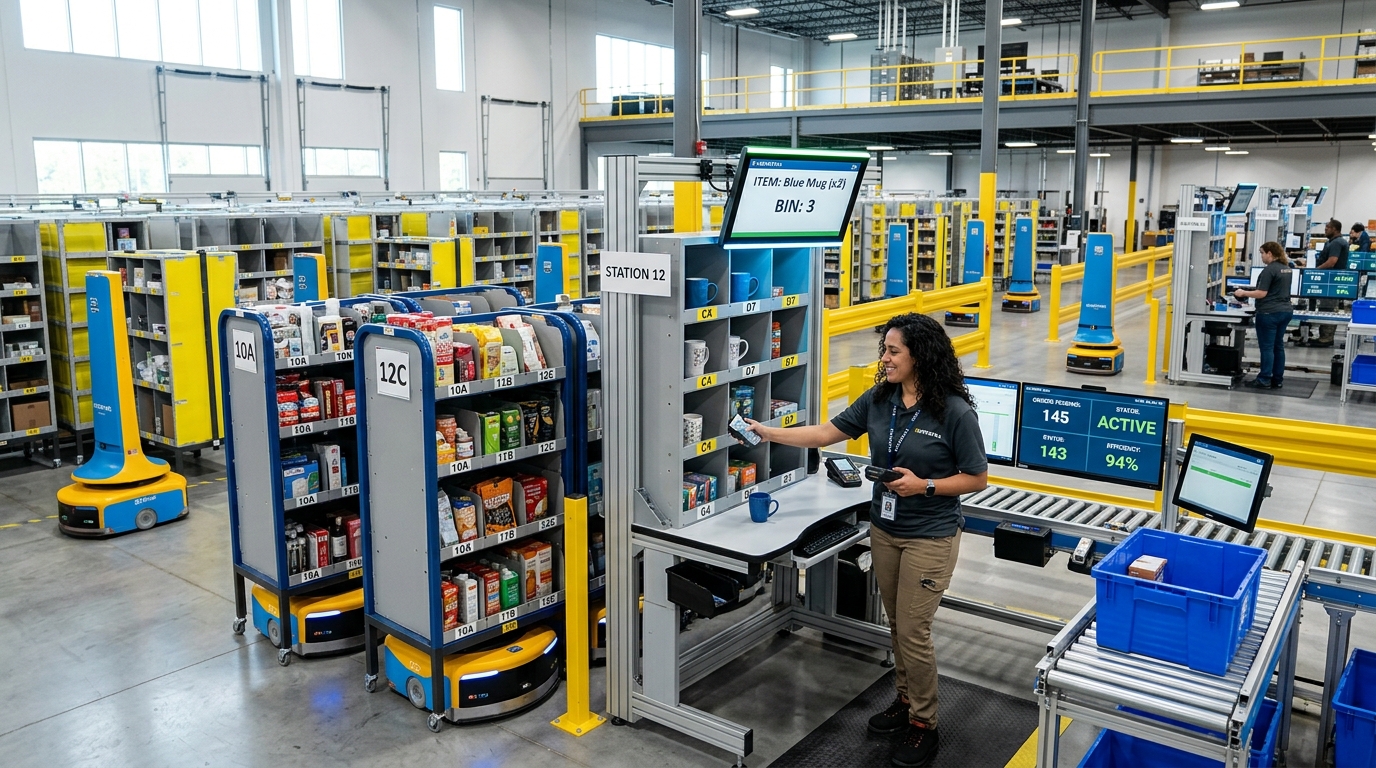
I’ve found that the biggest issues in pod fulfillment usually come down to shipping, quality, and margins. Print on demand shipping times can vary by country, so I keep clear delivery estimates and use global POD fulfillment centers when I can to cut delays and cost. For quality, I order samples often and check every DTG printing fulfillment and sublimation result before scaling.
To stay in control, I watch for:
- Shipping delays and peak-season pressure
- Print quality differences across production methods
- Returns, replacements, and support requests
- Profit margin management and price changes
I also track every supplier’s performance, because print on demand profit margins can shrink fast if shipping, reprints, or packaging costs are ignored. A steady sample-testing routine and simple monthly review help me keep custom product fulfillment reliable and profitable.
How to Choose the Right POD Fulfillment Partner in 2026

I look at a POD fulfillment partner as a business tool, not just a vendor. The right one should support print on demand fulfillment, protect my margins, and keep my customers happy across markets.
What I Check First
| Factor | What I want |
|---|---|
| Product range | Strong catalog for custom apparel fulfillment, accessories, and home goods |
| Quality | Consistent prints, clean finishes, fewer defects |
| Speed | Fast production and reliable print on demand shipping times |
| Integration | Smooth POD integration Shopify, Etsy, and WooCommerce |
| Branding | Strong white label POD packaging and insert options |
| Model | Clear choice between in-house production or global POD fulfillment centers |
My Shortlist Rules
- Catalog size matters only if quality stays steady.
- I compare production speed and tracking reliability, not just low base prices.
- I test how easily the provider handles POD order automation.
- I check if the platform supports branded packing slips and custom packaging.
- I prefer partners that explain their POD fulfillment services clearly, without hidden fees.
In-House vs Network Model
| Model | Best for | Watch out for |
|---|---|---|
| In-house | Tight quality control | Limited reach |
| Network fulfillment | Faster global delivery | More variation between sites |
For me, the best POD companies 2026 are the ones that balance speed, quality, and brand control. If a partner cannot support reliable DTG printing fulfillment and clear shipping standards, I move on.
Setting Up a POD Fulfillment Store
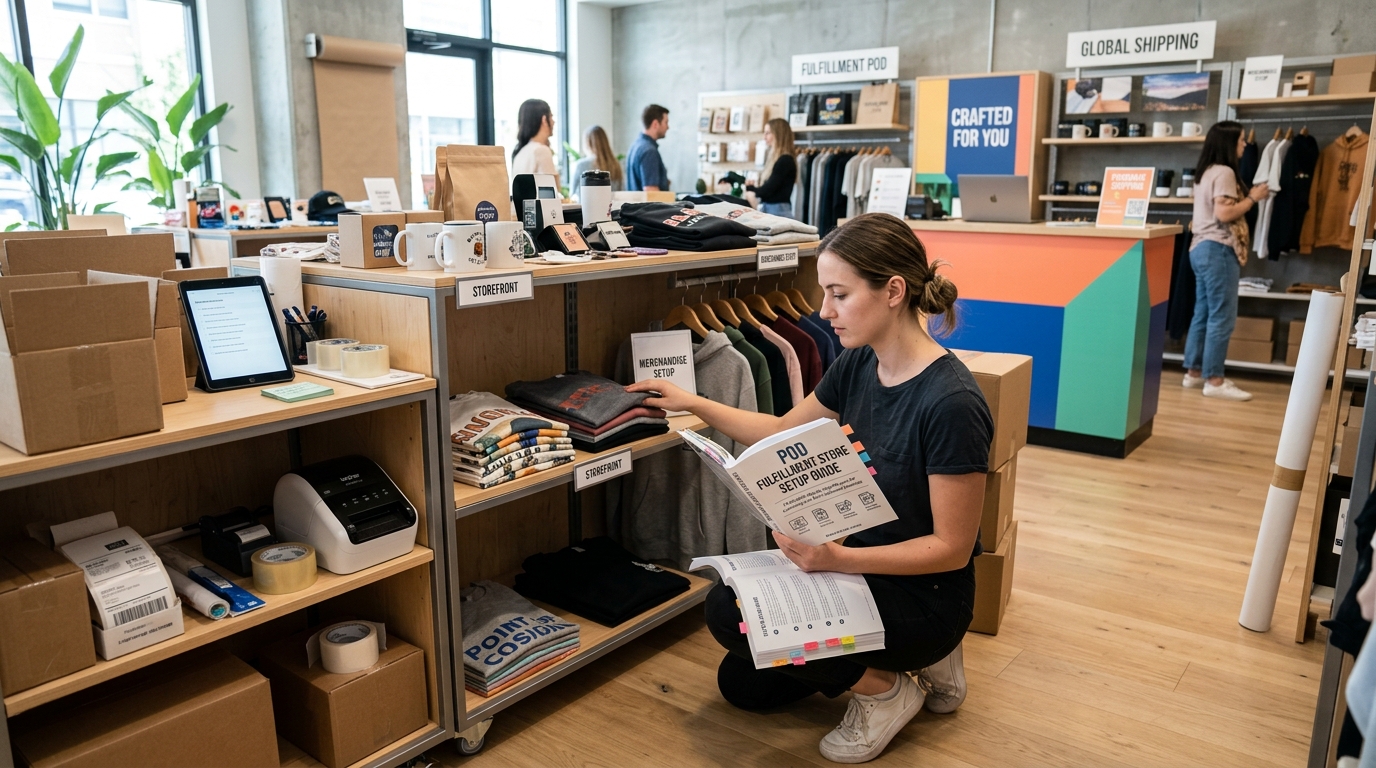
When I set up a pod fulfillment store, I start with the right platform first. Shopify, Etsy, and WooCommerce are the usual picks because they handle POD integration Shopify setups well and keep POD order automation simple. I also make sure the provider connects cleanly to my store so orders move without manual work.
Design That Sells
For mockups, I keep them clean, local, and easy to trust. I use clear product shots, simple backgrounds, and designs that fit real buying habits in each market. For custom apparel fulfillment, I always test a few versions before launch so I know which one converts better.
Pricing for Real Profit
I price with print on demand profit margins in mind, not guesswork. I factor in base cost, shipping, ad spend, and fees, then leave enough room to stay profitable. If the numbers are too tight, I adjust the product mix instead of forcing a bad price.
Launch Checklist
Before going live, I always order samples, check print quality, and review packaging. If my supplier offers white label POD packaging, I use it to keep the brand consistent. I also test checkout, shipping rates, and product pages so the store feels smooth from day one.
Scale the Smart Way
Once the store is live, I expand through multi-channel selling and automation. That means listing on more than one platform, using custom product fulfillment tools, and keeping fulfillment synced as orders grow. This is how I scale without losing control.
Pod Fulfillment Trends in 2026
I see pod fulfillment moving faster, smarter, and more local in 2026. AI design tools are speeding up mockups and product testing, while better print machines are improving DTG printing fulfillment and other on demand printing process methods.
Localization First
I focus on global POD fulfillment centers that cut shipping times and lower costs. For local buyers, this means faster delivery and fewer surprises. For me, it also means better control over print on demand shipping times and more stable margins.
Personalization Wins
Generic products are getting skipped. I do better with:
- niche targeting
- custom apparel fulfillment
- personal names, dates, and local styles
- small-batch seasonal drops
This is where print on demand fulfillment stands out from POD vs dropshipping. I can sell products that feel made for a specific group, not mass-produced.
Legal and Tax Basics
I keep a close eye on:
- intellectual property
- trademark use
- image rights
- local tax rules
That matters more in 2026, especially when I sell across regions. The best POD fulfillment services make this easier, but I still check every design and market before I launch.